3M
SP70
3M
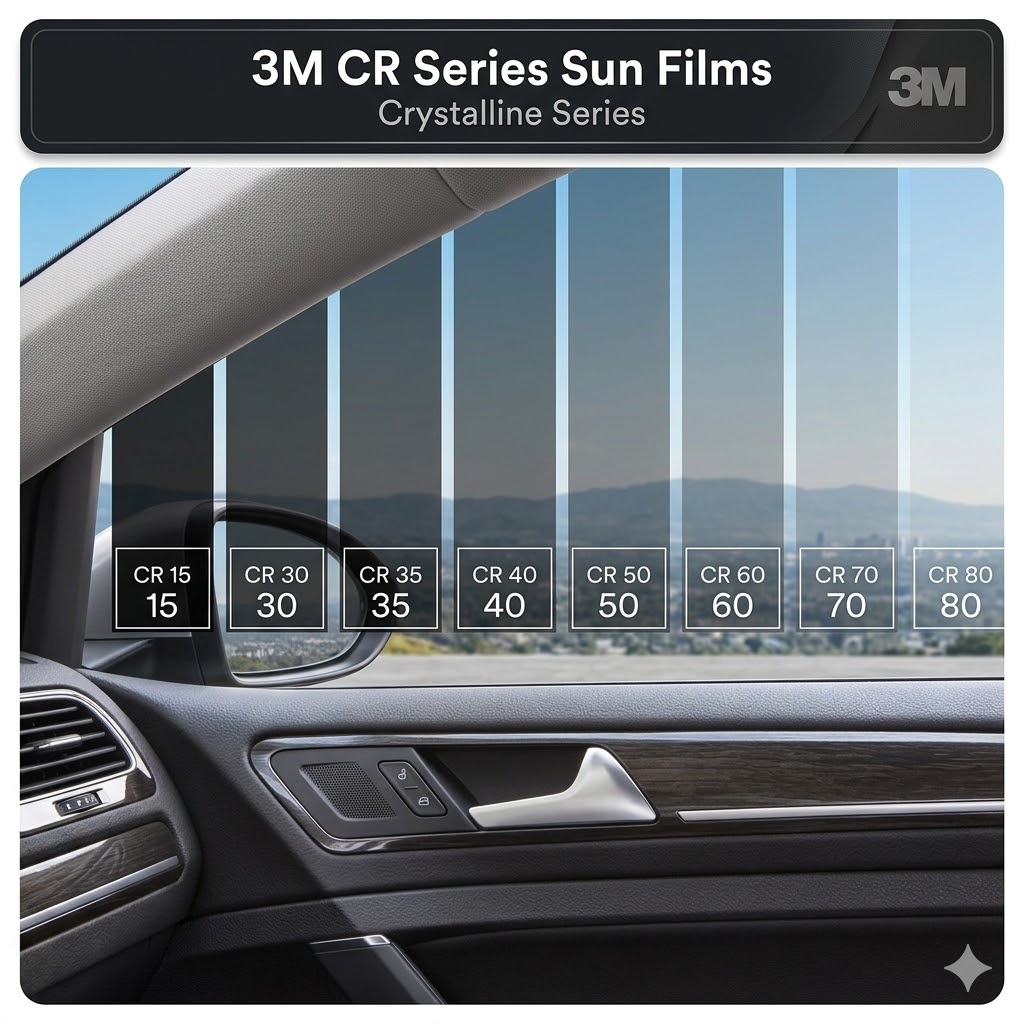
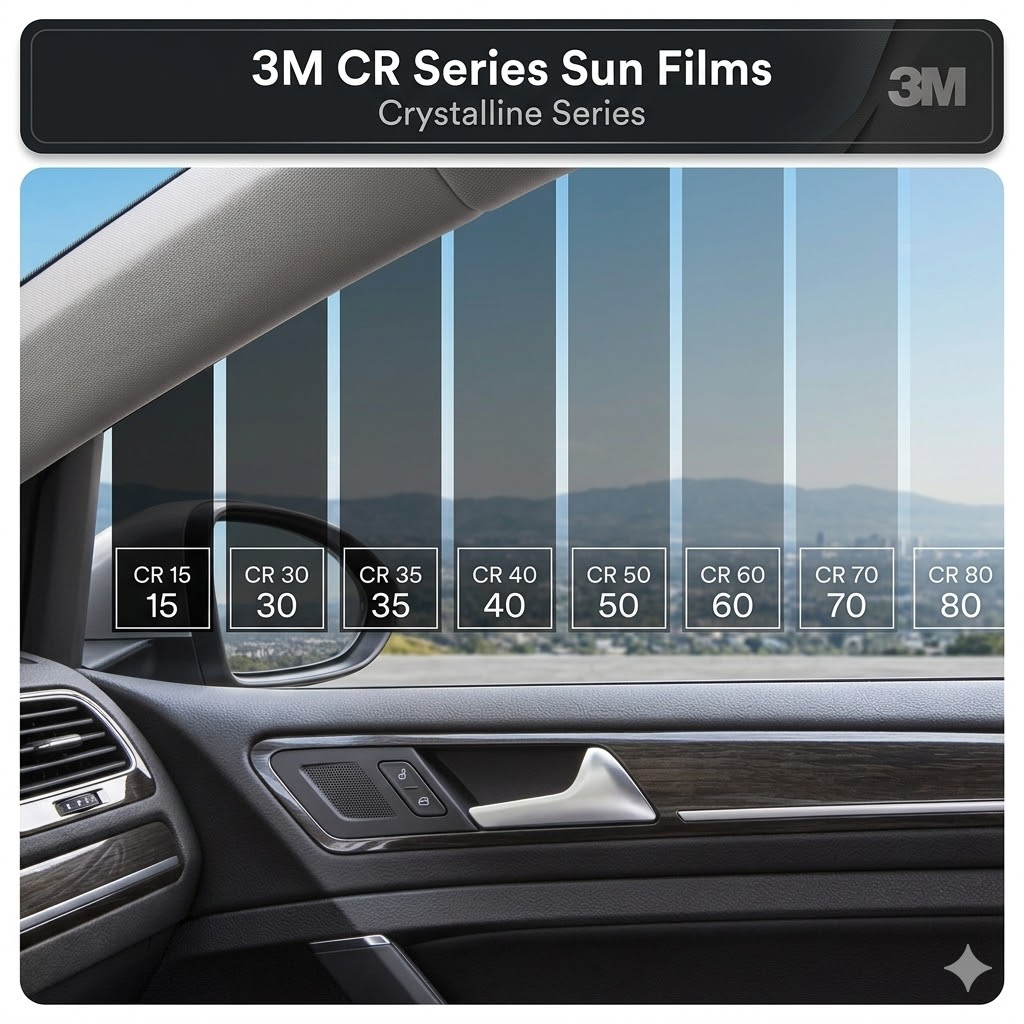
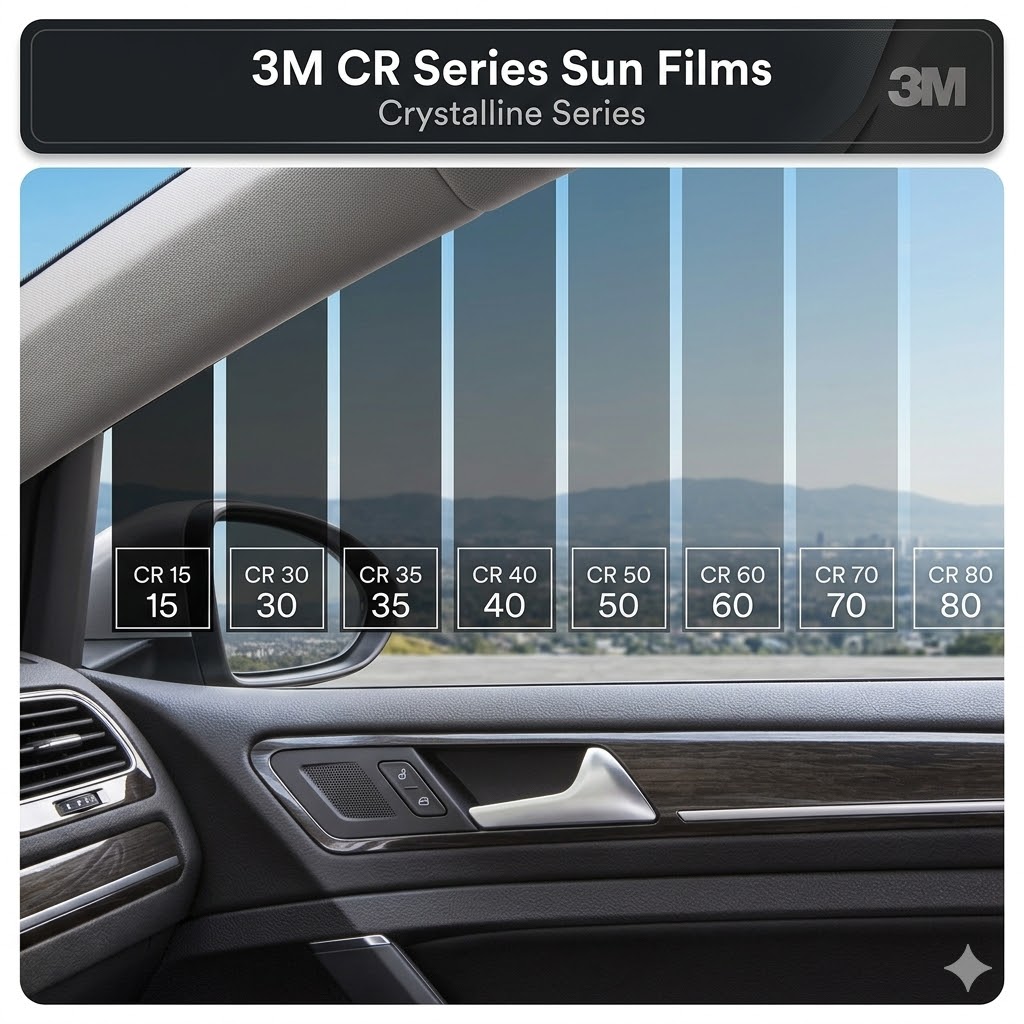
VLT — Select Darkness Level
Higher % = more light, less tint. Lower % = darker, more heat rejection.
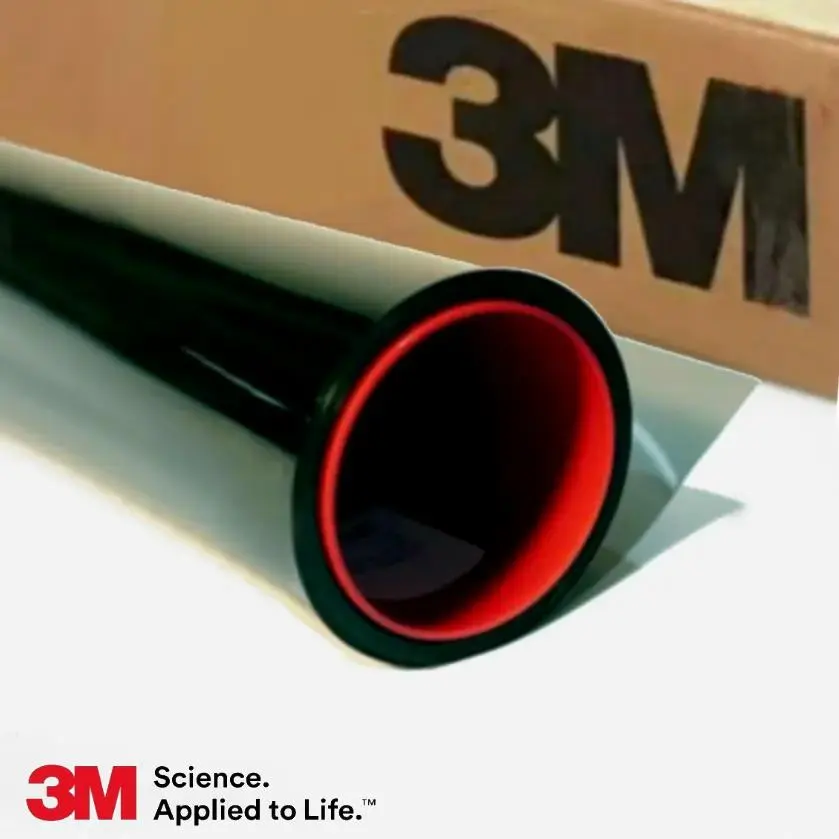
The 3M SP70 Sun Film for sedan side and rear windows delivers reliable UV protection and modest glare reduction at a budget‑friendly price. Built with dyed polyester layers, this film blocks a significant portion of harmful UV rays while allowing sufficient visible light to keep the cabin bright. Ideal for Indian traffic conditions where sun exposure and heat build‑up are constant, SP70 helps keep interior temperatures lower and protects upholstery from fading. Its signal‑safe construction ensures radar, GPS and FASTag functions remain uninterrupted. As a low‑cost option, it offers the essential benefits of 3M’s optical technology without the premium price tag, making it a practical choice for everyday commuters.
Performance Specs
70%
VLT
light through
Product Cost
You pay PMD · Includes GST
₹6,360 MRP
₹4,000
Save 37% ✓
Exclusive Application Cost
Paid directly to applicator · Varies by city & car size
₹500–1,000
*est.
Your Estimated Total
₹4,500–₹5,000
vs. Detailing Centre (opaque pricing)
₹6,000–₹12,000
Potential savings
₹1,000–₹7,500 ✓
Need help finding a good applicator in your city? We've been in this industry for over a decade — reach us on WhatsApp and we'll guide you.
Need Installation? Contact Us* Installation cost is indicative. City-specific quote via WhatsApp.
Genuine Product
Direct from brand
Authorised Source
No grey market
You Hold Custody
Ships to you first
Technical Specifications
Best For
UV Protection
Glare Reduction
Good to Know
The 3M SP70 sun film is a dyed‑polyester film designed for side and rear windows of sedans. It blocks a substantial portion of ultraviolet (UV) radiation—up to 99%—which helps prevent interior fading and skin exposure, while still allowing enough visible light to keep the cabin comfortable. Its signal‑safe laminate ensures that GPS, radar and FASTag signals pass through unhindered, a crucial consideration for Indian drivers. Sun films work by layering tinted polyester with a protective topcoat. The dye absorbs UV and a portion of infrared (IR) energy, reducing heat buildup. While SP70’s IR rejection is modest compared to ceramic films, its UV blocking is sufficient for daily protection against the strong Indian sun. In the long run, SP70 maintains interior temperature modestly lower than an untreated window, helping reduce AC load and fuel consumption marginally. Regular cleaning with non‑abrasive, pH‑neutral solutions preserves the film’s clarity and UV performance, while avoiding harsh chemicals prevents premature discoloration, ensuring the film remains effective throughout its warranty period.
Honest Notes from PMD
The SP70’s dyed‑polyester construction provides modest IR rejection, so cabin temperature reduction will be less pronounced than with premium ceramic films. Being a budget film, its long‑term colour stability may degrade slightly faster under harsh UV exposure, especially in hot climates like Delhi or Chennai. Installation demands a clean, dry surface; any bubbles or dust trapped during fit‑out can be difficult to remove later. The film’s visible light transmission (VLT) is higher, meaning it offers less privacy compared to darker options. Finally, while signal‑safe, extreme aftermarket accessories (e.g., strong wireless chargers) should be tested after installation.
Need Installation?
Need help finding a good applicator in your city? We've been in this industry for over a decade — reach us on WhatsApp and we'll guide you.
Get Installation QuoteThe PMD Promise
Genuine film with actual VLT and TSER specs — not inflated claims from grey market products
Film cost shown separately from fitting charges — you always know what you're paying for the product itself
Film ships to you before fitting. Check the brand label and spec values yourself
Ground reality: aftermarket window film application is technically not permitted under Indian road law — not because of VLT, but because it's an aftermarket modification. Films at 70%+ VLT are generally not challenged in practice. We share the facts so you can decide
From the Learn Hub
- Understanding VLT — The Visibility Number That Matters
4 min read
- Sun Film Types Compared: Dyed vs Ceramic vs Nano
6 min read
- How Detailing Centres Overcharge You
5 min read